






















Greece Climate in September: The Ultimate Guide to weather, temperatures, crowds, and travel tips for a perfect Greek getaway.
I’ll Admit it: for years I was loyal to Greece in August. Scorching sun, crowded beaches, sweaty ferry queues,I thought it was the Greek island experience. Then a friend spoke to me about a last- minute September trip to the Cyclades, and honestly? I felt a little cheated. Betrayed esteem no one told me sooner exactly how good this month actually is.
This is exactly the kind of story you’ll find on a good Luxury Travel Blog Holiday Inspiration Guide , the kind of trip you don’t plan on paper, but stumble into and never regret. So if you wrote Greece climate I September I Google because you weigh dates. A trip, Let me protect you some When I roll, I’ll walk you correct through it the weather It does, it just depends on where you go, and why three trips later September has progressed to a non- negotiable window for me to visit. Greece.
The Quick Answer: yes, September It’s fantastic.
If you are doing research. Greece climate I September Before locking your travel dates, Here is the headline. If you just read. One paragraph, Make it this one. September I Greece gives warmth, A day without sun the bone- dry heat of July and August, Seawater that is still practically bathtub warm, and a noticeable thinning of the crowds. Consider summer Gentleness the gas pedal instead of cursing the brakes.
Across most the country, The daytime temperature is usually between** 25° C To 29° C( 77– 84° F)**, While evenings and nights is comfortably cool, usually falls in between. ** 16° C And 20° C( 61– 68° F)**.Is warm enough for shorts and sandals, cool enough so you don’t melt. Your gyros at 11am.
Temperature: A Month of Two Halves
To understand Greece’s climate in September it’s really about understanding it. It’s No one static weather The pattern- it changes prefer this. The month ongoing Here’s Some of the most quick weather summaries shine- September But don’t feel the same day 1 As it happens day 30. I learned this lesson The hard way after packing everything but tank tops my trip. The warm weather didn’t last as prolonged as I expected and before I knew it I was buying. Extra clothes To be comfortable. A friend’s light jacket for the evening ferry ride.
Quickly September( 1- 15): Basically Extension of August. In Athens, expectation highs near 28– 29° C( 82– 84° F) with plenty of sun and hardly a cloud in sight.That’s why I thought I needed it. A jacket” area
Late September( 16 to 30): Things mellow outside Daytime highs Relocate down 23– 25° C( 73– 77° F), And the evenings begin to drag on. A genuine chill— The kind where the light layer stops being optional and starts being smart. Humidity: Even a small tick, hovering around. 58– 60%, As an honest user. The air feels slightly soft instead of sticky.
Picture September Seam a warm bath That one gradually allows it. Even after unplugging, it remains comfortable and cools only slowly.
Is the Sea Still Warm Enough To Swim In?
Of course, yes, swimming your heart outside
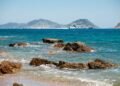
The Mediterranean and Aegean Don’t cool nearly as quickly. The air Makes- holds water. Heat far longer, which is basically why coastal towns feel warmer than anywhere else inland this time of year. At sea temperature September usually runs between 23° C And 26° C( 73– 79° F), which is really some of the warmest water you get all year. Since when is the sea? What is used? all summer Heat dissipation. ( Source: National Observatory of Athens)
I remember standing. But a beach I Naxos I late September, I was fully prepared. The water feeling frozen. Instead, I walked right in without hesitation– it felt as warm and welcoming as it should be inside. July.He is the September sea to you— It lags behind. A full month behind the calendar, still riding the momentum of summer.
How Greece’s Regions Differ
One thing surprised me when I first saw Greece’s climate in September . How is it? much it Varies by region,Greece is not. One climate, This is more esteem it a patchwork quilt Stitched together by mountains, islands, and coastline, And September highlights These differences are greater than in the middle of summer.
● Athens& the mainland: Hot, dry and sunny, with surrounding high altitudes 27– 29° C early I the month, softening in the mid- 20s of the end. Exceptional for walking around. The Acropolis Without feeling value you’re being slowly roasted.
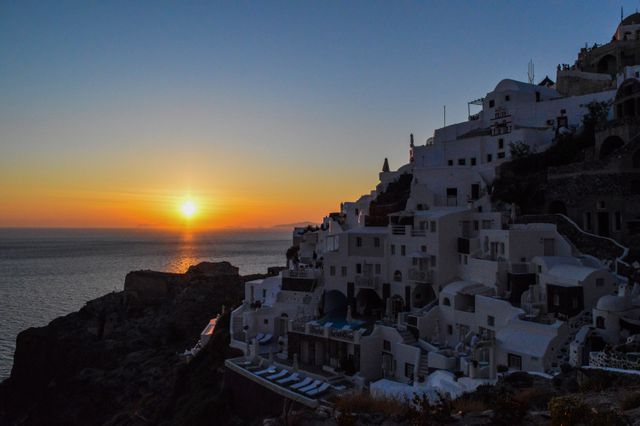
● The Cyclades( Santorini, Mykonos Naxos, Milos): Some Most of all reliable September weather in the country, Sun, wind, dry, with sea temps about 24– 25° C. This can be discussed. The region’s sweet spot.
● Checkout: Slightly cooler from the Cyclades I the evenings, But still gorgeous beach weather, with warm sea temperatures ideal For diving and snorkelling.
● The Ionian islands( Corfu, Zakynthos): A touch more moist and green( literally- this side of Greece Sheep has more rain overall), with pleasant, warm days.
● Northern Greece( Thessaloniki, Halkidiki): Noticeably cooler, Especially of late September, And more hunting brief showers Seam the month carries
If your goal is to have more and more sun, minimum rain, Islands- especially the Cyclades— is your best bet. If you aspire for cooler evenings and don’t feel bad an occasional shower, The Nordic region offers another, quieter kind of charm.
Will It Rain On My Trip?
Rarely, and even when it does, it won’t be wasted. Your plans. It is September. One Of the driest months In most Greece, With places favoring Athens Just look around 2– 3 Rainy days and approx 10– 13mm accounted for the entire month. There is less rain in thirty days from some cities that appear in a single afternoon downpour. ( Source: Hellenic National Meteorological Service)
The exception is northern Greece, where the Pindus Mountains funnel in a bit of high humidity, and late- month showers are a little more ordinary. But even there we speak briefly, transiently. Rain— No week- long washouts.
Why September Beats Top Summer( In my plot Biased Opinion)
I thought I was tolerant. The August crowds were just the cost of admission for good weather. September proved me wrong on every count.
Fewer people, More breathing room. But that first September trip, I actually got it at a table . But a taverna outside in Oia was a two- hour wait. In August, it would have been a fantasy.
Better prices. Hotel prices are starting to soften. The peak- season rush Relax, meaning the same room It cost a small fortune I July Can only be significantly cheaper a few weeks later.
Comfortable sightseeing. Climbing around ancient ruins in 35° C August heat is an endurance sport. Do the same thing in September’s Medium to high 20s Is just… Pleasant. You can actually enjoy the history instead of counting the minutes until you find the shadow.
Long days, Less conflict. You’re still moving around 9– 11 hours of sunshine per day, plenty of daylight to beach mornings and a wasted afternoon without running the clock.
What to do Pack
Based on my own Lesson learned a little too late:
● Lightweight clothes For daytime( eg July, No October)
● One light jacket Or a cardigan for the evening, especially late September
● Swimwear— not negotiable, the sea It’s too good to withdraw.
● Comfortable walking shoes For ruins and cobblestones
● Sunscreen— Despite the drop in temperature, the sun is still strong.
● A light scarf Wrap for or breezy island evenings And boat trips
The Bottom Line
If there is one takeaway from everything I’ve learned about Greece’s climate in September, it is: Greece I September is not a compromise— This is doubtful the smartest choice but the calendar. You attain summer’s warmth And swimmable seas, Autumn’s quiet crowd and lower prices, And the weather is mild enough to actually enjoy being there outside all day. My only regret is not discovering. It’s sooner.
Whichever island or the center of your choice, pack that light jacket to the evenings, to provide your appetite to late- summer sunshine, And too sunburned, too happy to assert goodbye. Summer.
Additional Resources
● Hellenic National Meteorological Service (EMY):Greece’s official government meteorological agency
● National Observatory of Athens: Greece’s leading scientific meteorological institution
● Visit Greece – Official Climate Guide: Greek National Tourism Organisation