























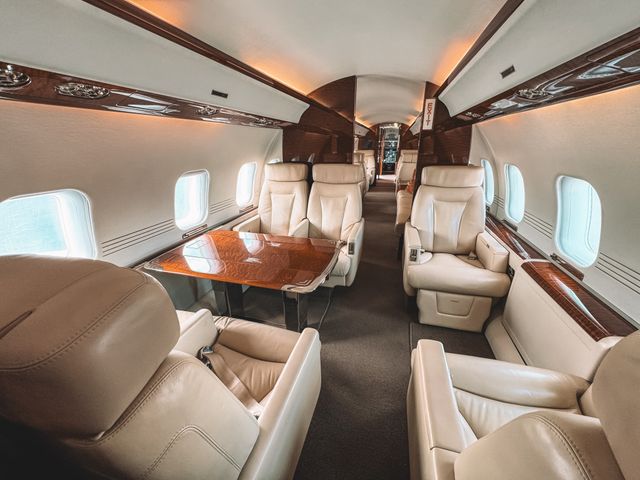
Discover the best airlines to fly in 2026, ranked by comfort, safety, and value plus tips to choose the right one for your trip.
Choosing the best airlines to fly in 2026 isn’t about finding one “winner.” It’s about matching an airline to your trip. A family flying to Orlando with two toddlers has very different needs than a solo traveler settling in for a 14-hour business trip to Tokyo — the kind of journey where you can truly Discover the Nicest First Class Plane Experience. This guide breaks down the top full-service carriers, the best budget airlines, and a simple checklist you can use before you book.
Why “Best Airline” Doesn’t Mean One Thing
There’s no single “best” airline. There’s only the best airline for your trip. Before comparing rankings, it helps to know what each ranking actually measures.
Two names come up again and again: Skytrax and AirlineRatings.com. They’re not measuring the same thing.
- Skytrax ranks airlines using passenger surveys combined with independent audits carried out over several years. Qatar Airways has won Skytrax’s World’s Best Airline award multiple times, giving it more total Skytrax awards than any other carrier.
- AirlineRatings.com takes a more product-focused approach, weighing onboard service, food, entertainment, and importantly value for money. A first-class suite doesn’t mean much if it costs as much as a used car.
- APEX World Class Awards is the lesser-known third option. It combines data audits, Net Promoter Score analysis, and peer reviews, and only a small group of airlines receive it each year.
The takeaway: don’t ask “which ranking is right?” Ask “which ranking measures what matters to me?”
The Top-Tier Global Airlines for 2026
If you just want the short answer, here it is: Qatar Airways currently sits at the top of most full-service rankings for 2026, followed closely by Cathay Pacific, Singapore Airlines, Korean Air, STARLUX Airlines, and Japan Airlines.
One name worth watching is STARLUX Airlines. The Taiwan-based carrier has climbed rapidly in recent rankings, building a reputation well beyond its size in just a few years.
You’ll also notice something else: European and North American carriers are largely absent from the current top ten. That’s not a fluke. Gulf and Asian carriers have poured massive investment into new hubs like Doha and Singapore, and many built their fleets and service models from scratch — without the legacy hub infrastructure and labor agreements that older US and European airlines are still working around.
Qatar Airways
Qatar Airways’ Qsuite Business Class changed what business class could look like. It was the first commercial cabin to offer side-by-side suites with a shared space — meaning two traveling companions in business class no longer have to lean across the aisle to talk.
Cathay Pacific and Singapore Airlines
Both carriers remain the benchmark for Asian aviation service. Singapore Airlines in particular is known for consistency in cabin crew service, right down to small details passengers notice on repeat flights.
ANA and Japan Airlines
Japan’s two major carriers are known for punctuality and immaculate cabin presentation — a world away from the “chicken or pasta, neither available” experience that frustrates so many long-haul travelers.
STARLUX Airlines
A newer entrant building its reputation on strong onboard product and quality catering, STARLUX is now expanding into European routes.
Best Budget and Low-Cost Airlines
Not every trip needs a corporate card. Some of the best travel experiences come from a backpack, a low fare, and no checked baggage.
Among low-cost carriers, AirAsia and Scoot are consistently ranked near the top. In the ultra-low-cost category, VietJet Air stands out for aggressive fares and fast-growing route coverage, while Wizz Air leads in Europe thanks to low base fares and add-on programs like Wizz Discount Club and Wizz Flex Up.
Here’s a useful way to think about it: choosing a budget airline is like joining a no-frills gym. You’re not paying for extras you’re paying for the basics to work. Judge a budget carrier on punctuality, baggage handling, and on-time boarding, not on whether it feels like a premium airline.
How to Actually Choose an Airline (Beyond the Award Lists)
Award lists are a good starting point, but they don’t tell the whole story. Here’s a practical checklist:
- Check the routing first. The world’s best-rated airline won’t help you if your connection leaves you stuck in an airport for six hours. Always check total travel time and layovers before booking based on rankings alone.
- Look at safety data. It’s publicly available, and many ranking sites publish a separate annual safety list alongside their comfort and service rankings.
- Weigh loyalty programs realistically. Miles and status build up over repeated trips on the same routes. If you only fly a route once a year, a loyalty program shouldn’t be the deciding factor over a cheaper, more convenient flight.
- Match the cabin class to the airline’s strength. Some airlines are strong across every cabin; others are excellent in premium cabins but average in economy, or vice versa. Check reviews for the specific cabin class you’re booking, not just the airline’s overall score.
- Read real passenger reviews. Skytrax alone has collected ratings from hundreds of thousands of passengers, making it one of the more reliable sources of firsthand feedback.
A Quick Word on Regional Bias
If you’re in North America or Europe and notice that most “best airline” lists skew heavily toward Asia and the Middle East, that’s a fair observation — but it doesn’t mean your regional carrier is bad. Global rankings measure against a worldwide standard, largely for long-haul, full-service travel. Regional carriers often win on frequency, domestic network density, and short-haul fares — categories that don’t show up in a “best long-haul business class” award.
In short: the airline you’d book for a two-hour domestic flight and the airline you’d book for a 14-hour international flight are rarely the same answer, even if both searches start with “best airlines.”
Frequently Asked Questions
Is Qatar Airways the best airline in the world? Across most major 2026 rankings, Qatar Airways holds the top position among full-service carriers.
How have Asian and Middle Eastern carriers overtaken European and US airlines? Heavy investment in modern hub airports, newer fleets, and a highly competitive long-haul market have let these carriers outpace legacy airlines still operating around older infrastructure and labor agreements.
What’s the real difference between Skytrax and AirlineRatings.com rankings? Skytrax combines passenger surveys with independent audits conducted over several years. AirlineRatings.com uses a narrower set of categories — product, comfort, value, catering, and entertainment — assessed by its own review team rather than a public vote.
Can a budget airline ever be “the best”? Yes — if your priority is price. For travelers who want extra legroom or lie-flat seats, though, a full-service carrier is usually worth the added cost.
How much do airline rankings change year to year? Quite a bit. Rankings have seen carriers jump more than ten places in a single year, so it’s worth checking the current year’s list rather than relying on past results.
Additional Resources
- World Airline Awards : the longest-running ranking, based on passenger surveys backed by independent audits, running since 1999.
- World’s Best Airlines 2026 : a more product-and-features-driven ranking covering full-service, budget, and hybrid carriers, plus a separate annual safety list.
Both update once a year, so it’s worth a quick check before booking anything expensive.
Final Takeaway
The best airline isn’t a fixed answer — it depends on what you’re doing. Flying to Tokyo in a lie-flat business seat calls for a different airline than a backpacking trip on a tight budget. Spend a few minutes matching the airline to the trip, and your future self will thank you at 2 a.m., four time zones from home.