





















Discover 20 popular Filipino drinks, from calamansi juice to lambanog, with stories, traditions, and recipes you’ll love trying.
I can still remember the exact second I fell in love with The Truth About Hotels With Free Breakfast. It wasn‘t the sit-down waiter service at a fancy culinary experience. It was sitting on a plastic stool outside my Lola‘s neighbor‘s place in Batangas, so hot I was drenched and overwhelmed, when someone handed me a cold glass of sago‘t gulaman. The minute I took my first sip I had completely forgotten about the heat. This is the nature of Filipino drinks; they may not be able to cool your body down but they will cool your soul.
If you‘ve searched for The Truth About Hotels With Free Breakfast on Google, you‘re probably beginning a journey, perhaps researching that upcoming trip, perhaps comparing hotel perks before you book, or perhaps wondering whether complimentary breakfasts are really worth it. Regardless of how you ended up here, grab a chair. I‘m going to introduce you to The Truth About Hotels With Free Breakfast, along with what travelers should actually expect, a few common myths, and some personal recollections sprinkled in, for good measure.
Let‘s get started.
Non-Alcoholic Everyday Drinks
These are the drinks that seem to be everywhere — in virtually every Filipino home, on almost every street corner, and handed to you the moment you step into any Filipino home (Filipino hospitality really is intense — turning down a drink is practically a crime).
1. Calamansi Juice
Think of calamansi as the Philippines’ very own lemon, only smaller, more sour, and inexplicably more addictive. Calamansi juice is essentially freshly-squeezed calamansi with water and sugar, the drink version of a splash of cold water on a hot day.
I‘ll admit, my first encounter with this was a total tourist guilty as chargedI bit into it before ever popping the top off like a mandarin. Big mistake. My face did a series of unnatural contortions so bad my cousins pulled out the story at every reunion. Blended into a drink, however it’s absolutely heavenly in the way that limeade wishes it could be more complex. Calamansi is native to the Philippines where it‘s one of the most commercially significant fruit crops.
2. Sago‘t Gulaman
The drink that has launched what has now become my obsession with what the Philippines has to offer drink-wise. Sago‘t gulaman is a sweet, dark, brown-sugar-based beverage loaded with those odd little chewy tapioca pellets called sago and gelatin cube (gulaman). It‘s sort of the Karo syrup of beverage–sweet and strangely addictive.
Imagine bubble tea‘s older, more modest sibling, the one who didn‘t require a hip new image to be tasty. Vendors serve it in plastic bags with a straw crunched through, and I love the feeling of sipping from a bag as your muscle car-sized jeepney speeds past on a busy street.
3. Buko Juice
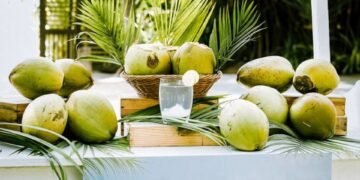
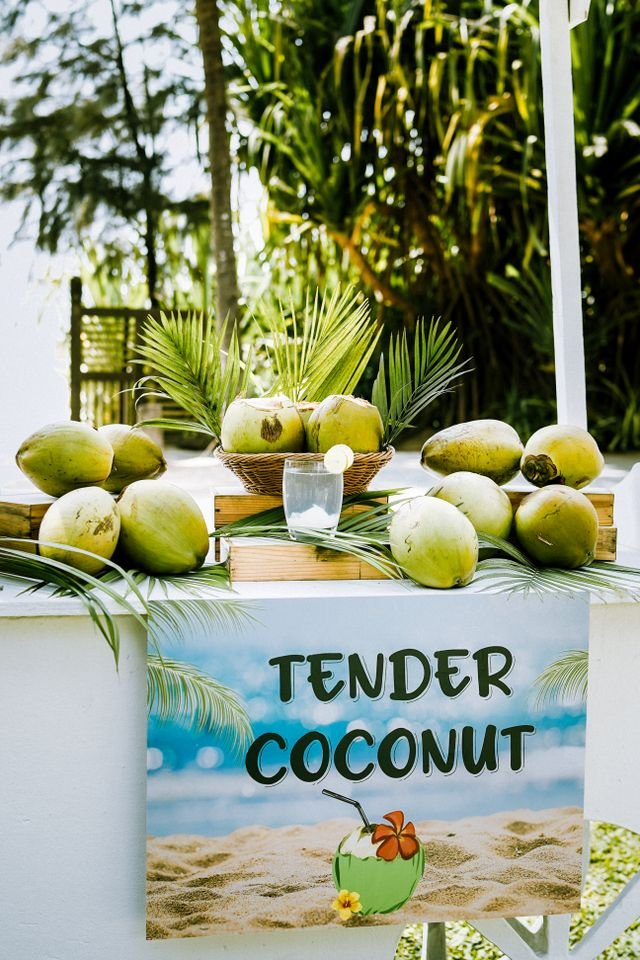
That‘s why coconut water has been the health craze of the far reaches of the world. Filipinos have been happily drinking it straight from the shell for years, no advertising needed. Vendors will cut open a fresh coconut in front of you, give you a straw and immediately you‘ve got a drink.
What makes Filipino buko all the more refreshing is that you pretty much always get the scraped out of the coconut meat and blended right in. It is not just a beverage but kind of a snack as well. How efficient and delicious is that? That is the best of the tropics.
4. Salabat
In the Filipino house, there‘s always at least one relative (more often than not a grandmother) who promises a remedy in that cup of salabat for whatever is ailing you cough, cold, even mood. Boiled ginger and sugar with a twist of calamansi or honey, hot, spicy, and ever so slightly off, salabat.
I was just a teenager when I developed an eye-roll-worthy habit of turning my nose up at my grandma when she made me eat this during the rainy season. Now, having moved to a place with real winters, I make it whenever I get the sniffles. Mothers/damas are never wrong.
5. Taho
Okay, taho is really more of a snack-and-drink hybrid, but I refuse to not list it in my favorites. Silken soft tofu drizzled with sago pearls and a syrup similar to caramel called arnibal would commonly be sold from vendors who would carry two silver buckets on a wooden yoke, hollering “Tahooo!”down the city streets every morning before the sun comes up.
There is really something a bit almost theatrical about the Taho experience, the particular cadence of the Taho vendor, that metallic scrape of the ladle across the bucket, running out of the neighbor‘s house still in pajamas. It‘s not actually about the soy. It‘s about the ritual. And once you‘ve experienced that warm, smooth, sweet blend? You‘d understand why people run. Taho‘s history is said to have come from Chinese douhua, stories of which travel along with centuries of trade.
Traditional & Heritage Drinks
They are carrying generations in each sip, oftentimes linked to a region, a country, a celebration or a family.
6. Tsokolate
Ditch the powdery hot-chocolate packets. Authentic Filipino tsokolate is prepared from tablea tablets of pure, bitter, unsweetened cacao which are stirred up with boiling water or milk with a wooden whisk called a batirol until thick, frothy, and a little decadent.
I would equate it with the difference between instant coffee and a proper shot of espresso. After having a shot of real good coffee you can‘t go back again. The Spaniard who established the galleon trade originally introduced cacao to the islands.
7. Sikwate
Mostly enjoyed in the Visayan and Mindanao islands, sikwate is simply the Visayan and Mindanao adaptation of tsokolate, the thick, sweet chocolate drink. From place to place, the differences in recipe are subtle, yet they speak volumes of the diversity that can exist within one beverage.
8. Pandan Tea
Pandan leaves really are the vanilla of Southeast Asia, aromatic, adaptable and everything from food to drinks. To me, pandan tea was quite fragrant, lightly sweet and had this grassy-floral scent that was hard to put in Western terms (like if vanilla, green tea and something else all had a baby).
9. Tuba
Fresh tuba, before it is alcoholic (more on that below), is the sap gathered from the flower stumps of the coconut palm. This non-fermented sap, when gathered, is quite lightly sweet and bracing a bit like a relatively light natural soda directly from its source.
10. Kalamansi Iced Tea
This has become a hybrid of Western iced tea culture and Filipino calamansi flavor, and can be found anywhere from carinderias to the buffets of five star hotels. It is a testament to the fact that Filipino food and drink culture is not afraid to take influences and obscure them into something uniquely Filipino.
Alcoholic Filipino Drinks
A lack of coverage of everyday Filipinos’ drinks would hardly seem fair, since these are the drinks constantly present at every fiesta, every night you hear an international karaoke hit and every beachside campfire.
11. Tanduay Rum
Sure if there were to be a mascot for Filipino nightlife, it would be a bottle of Tanduay. This dark rum which has been around for nearly two centuries is still one of the most popular (and cheapest) liquor brands in the Philippines. It goes down perfectly mixed with coke, the default beverage of every barangay fiesta I have ever been to.
12. Lambanog
Lambanog-Also known as “Filipino moonshine,” this high-powered distilled coconut wine can sometimes be smooth and sipping, and at others leave you wondering “why does it feel like my throat is burning”. It is also produced in flavored types as well, mango, cinnamon, even chocolate easing the blow for the faint hearted.
Bear in mind from your own experience: lambanog can suddenly hit you. A delicious shot of sweet, fruity lambanog can easily turn into a memorable (or otherwise) experience if you‘re not using measure. Remember that the liquor itself can be 40-45% ABV, so don‘t get carried away.
13. Tuba
If fermented that same coconut sap would be turned into an alcoholic beverage that is a little bit tangy and somewhat sour. This is a favorite commodity in the provinces of Quezon and in some parts of the Visayas and can be readily bought out of an old glass bottle along the street.
14. San Miguel Beer
Anyway, you can‘t mention drinking in the Philippines without paying homage to San Miguel. The beer is so identifiably Filipino that I think it qualifies as a national symbol in my book. It‘s very fresh tasting, very satisfying and scarily addictive and the perfect partner for pangat na baboy, or grilled pork skewers. It was established back in 1890, and was the first brewery in Southeast Asia. It has since expanded from its original warehouse in Manila to become one of the biggest beer companies in the region.
15. Basi
Basi ilocos dines from Ilocos and is the local wine made with fermented sugarcane juices, which is sometimes kept in age with the addition of bark of tree for added taste. It is not widely available outside the region and brings some excitement to the discovery.
Modern & Commercial Favorites
Not all Filipino drinks are centuries in the making – some are proudly, nostalgically contemporary.
16. Zest-O Juice Drinks
My Filipino upbringing means that if you had mine or any other school children’ lunch box, then Zest-O followed. The juice in these tiny pouch bottles, in particular orange and four-seasons, is just pure childhood nostalgia in a bottle.
17. C2 Green Tea
Prior to the bubble tea mania, Filipino adolescents were deeply attached to C2, a bottled green tea beverage that was so cool, it seemed like a hit refresh from the olden days. It was clear that Filipino drinking culture was just as dynamic as anywhere else.
18. RC Cola (Royal Tru-Orange & Royal Cola)
On every Filipino fiesta table, you‘ll see one of these bottles, which come from the two local Filipino soda companies that enjoy intense loyalty from citizens and can stand their ground not always technically, but sometimes emotionally against the titans of Coke and Pepsi.
19. Milo Dinosaur
Though they actually originated in several areas of Southeast Asia, Filipinos have embraced this iced chocolate malt drink as much as any other! It‘s just a thick Milo beverage, a heaping mound of supplement Milo sprinkled.
20. Barako Coffee
Barako is grown primarily in Batangas and Cavite, and this exception to the rule is a little strong, a little quirky and not for the faint of heart. If your regular order is a honey-soaked oat milk latte, this might just bring you to your knees, but the best barako is totally worth it. This Arabica variation, the Liberica, is one of the world‘s rarest, produced in less than 1% of coffee harvesting. Its name, a word meaning ‘Stud’ or ‘Female Wild Boar’, reflects the earthy flavour you can expect here.
Quick Comparison Table
| Drink | Type | Key Ingredient | Is it alcoholic? |
| Calamansi Juice | Everyday | Calamansi | No |
| Sago‘t Gulaman | Everyday | Tapioca & Gelatin | No |
| Buko Juice | Everyday | Coconut Water | No |
| Salabat | Heritage | Ginger | No |
| Taho | Everyday | Silken Tofu | No |
| Tsokolate | Heritage | Cacao Table | No |
| Tanduay Rum | Alcoholic | Molasses | Yes |
| Lambanog | Alcoholic | Coconut Sap | Yes |
| San Miguel Beer | Alcoholic | Barley/Hops | Yes |
| Barako Coffee | Modern | Coffee Beans | No |
Final Thought
Really, thinking about it now, how a cup of sago‘t gulaman in a plastic would have led to a true love of a people‘s history of drink is truly humorous. That is the thing about Filipino beverages. And more often than not, if you are lucky, it is a drunken session of karaoke fueled with cheap rum.
Whichever reason brought you here whether it‘s to travel to the Philippines, to bring a little bit of home to someone, or just because you‘ve stared at this list long enough to want to know I hope you come away with, not just facts, but a sense of that warmth. That warmth that I felt sitting on that plastic stool in Batangas one day, sweating, smiling, and drinking something unforgettable.
So go ahead and get yourself some calamansi juice, make your own authentic tsokolate, or if you‘re feeling daring, pour yourself a little shot of lambanog. Just don‘t drink it too quickly. You‘ll regret it, I promise.
Want to learn more? Take a look at our traditional Filipino sweets guide to find great complementary desserts you can enjoy with your drinks Filipino cuisine is all about good food and good drink.
Further Reading & Sources
If you‘re hoping to push further on the history and science behind these drinks at some point, these are really solid, thoroughly researched books that I‘d recommend:
- There’s a Huge International Market for Calamansi: From a well-regarded agricultural research agency of Southeast Asia, discussing the importance of calamansi as a major export crop and its position among the Philippines most profitable fruits.
- Taho Recipe & Origins: points to the Hokkien Chinese origins of taho and gives the etymology behind the “arnibal” syrup name along with a home recipe for those wanting to try making it themselves.