













Explore St Sebastian Spain with this complete travel guide covering top attractions, beaches, food, culture, and tips for your visit.
I will never forget the first time I typed “St Sebastian Spain” into a search engine. Exhausted and jetlagged in a tiny Madrid apartment, I was convinced I’d heard the name wrong. It happened the night before, courtesy of a Basque bartender. I hadn’t heard wrong, though. I just hadn’t learned something simple. The English “Saint Sebastian” and the Spanish “San Sebastian” are the same saint and the same city. Visiting turned out to be one of the best decisions I’ve ever made as a tourist.
A Complete Travel Guide begins with understanding places like San Sebastian. Here, language, culture, food, and history come together in one unforgettable destination.
Let’s get that out of the way first thing. I know many of you arrived here just as confused as I was.
First of All, Wait. What Is St. Sebastian or San Sebastian?
Both. Sort of.
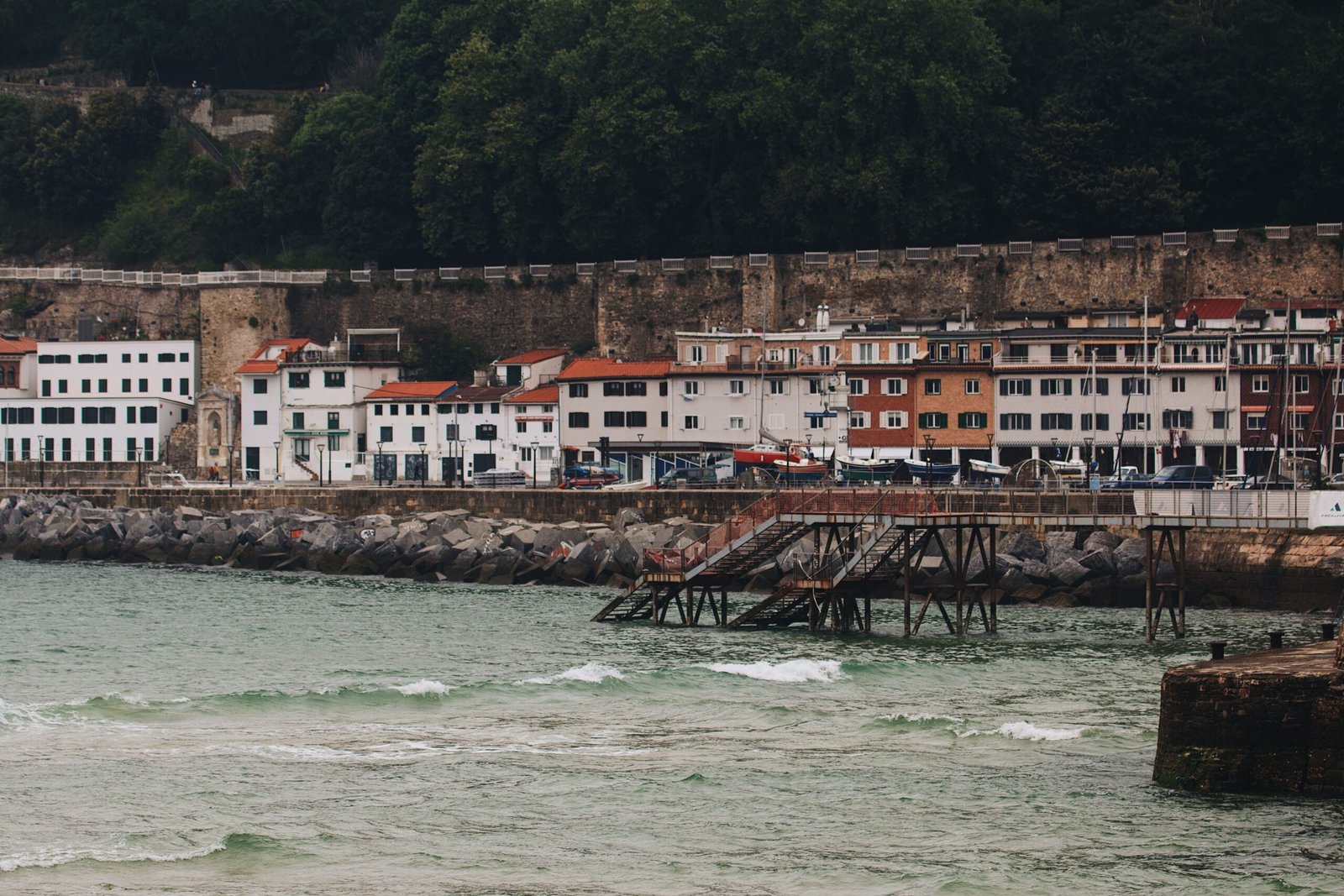
San Sebastian is a seaside city nestled in the Basque Country of Spain, right on the French border. It’s also known as Donostia, its Euskara name. Euskara is a truly ancient, enigmatic language that pre-dates Spanish, French, and almost everything else in Europe.
If you Google “St Sebastian Spain,” you’re simply anglicising it. Honestly, that’s a pretty normal thing to do. The rest of the group chat I traveled with called it “Saint Seb” for the whole trip. After a glass of Txakoli, the name rolled easily off the tongue anyway.
Here’s the quick cheat sheet if you’re just trying to get your bearings:
- Official name: San Sebastian (Spanish) / Donostia (Basque)
- Region: Basque Country, northern Spain
- Population: Approximately 188,000 (NSW)
- Best known for: Beaches, pintxos (Basque-style tapas), and a world-renowned film festival
- Also famous for: An obscene number of Michelin stars for a city this size
- Closest airport: San Sebastian (EAS), or go into Bilbao and enjoy a nice hour’s drive
- Best time to visit: Late spring to early fall, though I think that September is the ideal
The above cheat sheet is pretty much the entire trip. If you searched st sebastian spain looking for a quick intro before going into the details, this is it.
Now that we’ve cleared up our naming confusion, let’s get into the good stuff. Here’s why this tiny town entirely reorganized my ideas of what the phrase “beach town” can mean:
The Beach That Ruined All Other Beaches for Me
I have been to a lot of beaches. Cancun, Amalfi Coast, a slightly overrated beach in Bali that I won’t mention here because I don’t want the comments. However, La Concha Beach in San Sebastian did what none of those places could. It made me stop looking at my phone and just stare.
Imagine a perfect shell-shaped bay — that’s literally what “La Concha” means, “the shell.” Green hills rise on either side, and a tiny island called Santa Clara sits almost too perfectly in the middle. It looks like someone built it in a video game and left the editing turned on.
The water is almost lake-like in its calmness. That’s because the bay shelters it from the rougher Bay of Biscay swell just beyond. There’s paddle boats and kids swimming close to the shore. Further out, you’ll find fairly serious rowing teams practicing their pulls. Rowing is a real Basque passion, not just a geeky hobby here.
On the first day I stood on that beach for four hours and didn’t turn a single page. If you’d told me a beach could top turquoise Caribbean waters, I’d have laughed. San Sebastian showed me around twenty.
The other side of town is also Zurriola Beach and that’s a totally different experience: surfers, active people, genuine waves. So you get two different atmospheres in this small city, and not many places can offer that. That’s one of the main reasons that people keep going back.
Lets Talk About the Food, Because Honestly This Is the Reason I Go
It’s not because the beaches tempted me that I booked this trip to San Sebastian. I booked it because a friend who’d toured Spain kept forwarding me photos of delectable little plates. There was indulgent jamon, anchovies, and something she called a “gilda.” It looked plain, but she swore it was one of the best things she’d ever tasted.
She wasn’t joking.
San Sebastian boasts the highest concentration of Michelin stars per square meter anywhere in the world. It’s a mind-boggling fact for such a small city. But perhaps what was most surprising was something else entirely. You can enjoy incredible food here without ever needing a reservation at a fine dining restaurant.
How Pintxos Bars Actually Work
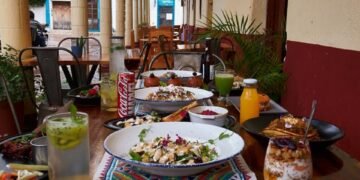
The real action is in the old town, where dinner runs on the ‘ordering system.’ Walk into a pintxos bar, select the most tempting tapas from the counter, and pay later. It’s a trust-based system, and incredibly, it works 100% of the time.
Imagine pintxos as the Basque version of tapas, though I wouldn’t call them a full replacement. They usually come on a toothpick or skewer, sitting on the bar like tiny edible art.
My first addictive introduction to pintxos was the gilda. It’s a single olive, a tiny anchovy, and a pickled green chili, all on one tiny skewer. It’s by no means a revolutionary concept. But that first bite was salty, a little spicy, and a little sour — and I was visibly giggling. I enjoyed it so much. My traveling companion was giving me a strange look. I wasn’t out of control, I was just discovering pintxos.
A few other things worth hunting down while you’re there:
- Txakoli – a slightly sparkling, super dry white wine being poured from a height (it’s worth it; a whole production, actually) to give it some air before reaching the glass.
- Bacalao al pil-pil salted cod in a coagulated olive oil and garlic sauce that somehow tastes better than it looks.
- Idiazabal is a smoked, sheep’s-milk cheese that is superb with a glass of local cider.
- Basque cheesecake and you may have heard of that viral burnt-top infamous series most definitely started it. Originating from a bar named La Vina here and it tastes as awesome as what you will find online.
If you’re one of those terminally food-obsessed travelers, no judgment here, I am too. San Sebastian won’t feel like a place you simply visit. It’ll feel like a place you pilgrimage to.
The Old Town: Getting Lost on Purpose
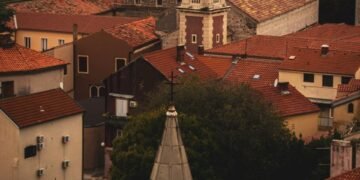
There is something quite wonderful about wandering aimlessly without a guidebook. The old town of Donostia is tailor-made for exactly that.
The streets are small and confined. They’re full of bars offering 3-deep counters of house-made pintxos, alongside the cheapest possible pint of beer. I managed to get lost in it twice in one evening. I wasn’t bothered in the slightest by either occurrence. Lost roads meant stumbling into yet another unexpected bar.
Keep an eye out for the Basilica de Santa Maria del Coro. As you get closer, it feels almost like a secret. But the moment you’re right in front of it, there it is.
Climb to the top of Monte Urgull, the huge hill overlooking the bay, for a fantastic view of the city. It makes all the climbing worth it. There’s also an old castle, Castillo de la Mota, up there protecting it all.
Here’s a dull and awkward anecdote. I attempted to climb Monte Urgull in slippers because I figured the slope wasn’t that steep. Avoid my mistakes. Do wear a decent pair of shoes. The scenery is fantastic. Your feet won’t be though.
So, When Should You Go At All?
A common time to get away from home is during the summer months. It’s generally the warmest time of the year, and most schools are on break. Alternatively, you might consider traveling during the shoulder season.
I was in September, it was not planned at all I was able to make my flight schedule. Everything was just right. The summer crowds had lessened, and the weather was still warm enough for the beach. They also held their legendary San Sebastián International Film Festival that same month.
For the loud, lively, full-on-beach scene you can have in the city, July and August are both great. If you prefer more space and cheaper accommodation, aim for May, June, or September. Winter is mild by northern European standards, but damper. Come prepared for rain if you’re visiting the city during this period.
Getting There Without Losing Your Mind
San Sebastian has a small airport (EAS), but to be perfectly honest not many flights are available. Most people, myself included, fly into Bilbao Airport instead. From there, it’s a bus or rental car for the hour-or-so drive down the coast.
The drive alone is worth the trip. The coastline between Bilbao and San Sebastian looks like it was made for a travel commercial.
If you’re traveling from Madrid or Barcelona, frequent high-speed trains and coaches are available. Honestly, the train journey is scenic enough to be part of the experience itself.
Either way, once you’ve searched st sebastian spain and arrived at this page, you’re already past the hardest part.
A Few Practical Things I Wish Someone Had Told Me
If you’re researching st sebastian spain for the first time, you probably have a number of questions. Below is what I wish I’d known before I traveled there.
- Bring cash. Pintxos bars: some accept cards but many of the more traditional, smaller bars will still like the cash for speedy service.
- Mealtimes are at a different pace. By the time you’re into your third helping it’s well past 9 or 10 o’clock. If you turn up at 7 o’clock the restaurants are empty.
- Learn a little of Basque. You don’t have to be fluent, though it would be nice. Just an “eskerrik asko” (thank you) goes a long way — locals are a fiercely proud nation.
- Pack layers. The weather in Delaware can change quickly here; a bright and warm morning can turn to a breezy, damp evening.
If you’re seeking the source, the official San Sebastian Tourism website has current listings of events, museums, and tours. Rick Steves also has a superb article on San Sebastian, for a second opinion from someone just as enamored with the place.
So, You Need to Step Out?
First, determine whether you would be enabling the writer by reading negative reviews. If you decide to read them, consider that many have readily provided a way for these reviews to be heard.
Look, I’ve been to a lot of beautiful, photo-worthy places. You get there, and the image is so much better than the reality. You walk away feeling a little empty, like the photo promised more than you actually experienced. San Sebastian is not one of these places.
It’s a city with one of the world’s best beaches, a paradise for food lovers, and an understated cultural center. And you can walk from end to end in less than an hour.
I came expecting a lovely weekend at the beach. I left already planning how I’d persuade myself to return. For the past few days, I’ve been telling everyone I know to go — usually with a polite correction on the pronunciation.
Whether you first heard of it as “St Sebastian,” “San Sebastian,” or more accurately “Donostia,” the name barely matters. Not once you’re sitting on La Concha beach, sipping Txakoli, and watching the sun set behind Santa Clara Island. You get the picture anyway.
Just book the trip.