




















Explore Zadar city, Croatia’s coastal gem with Roman ruins, Sea Organ sunsets, and Old Town charm. Start planning your trip today
Honestly I didn‘t even have Zadar on my radar.
I had scheduled a 4-week trip to Croatia, like I assume most people planned, around Dubrovnik & Split. Zadar was a small dot on the map. I saw it while looking at ferry times and searching for a method of transportation to the islands.
A friend of mine who had been traveling through the Balkans a few summers before my visit sent me a single text message. There were no photos or specifics. It simply said, “Don‘t skip Zadar. Trust me.”
Half motivated by curiosity and half fearing missed opportunities, I tacked two nights onto my schedule.
Those two nights became four. I continue to dream about that sunset every bit as much as I do about most of the other ‘must-see’ places I‘ve crossed off my list since.
So here we go. Let‘s discuss Zadar—what it actually is, why you‘ll fall in love with this Croatia Zadar Guide, and why it quietly outshines its more famous Croatian neighbors. I‘ll also cover everything you need to know before you visit.
So, just where is Zadar?
Zadar city is a jewel on the Dalmatian coast of Croatia. It blends Roman history with a relaxed Adriatic lifestyle.
Zadar is located on the southern part of Croatia’s Dalmatian coast, along the Adriatic Sea in Zadar County.
Imagine Croatia as a crooked line representing the coastline. On the map, it almost looks like the outline of a seahorse.
Zadar sits roughly in the middle of that coastline. It lies above Split and Dubrovnik, and below Zagreb.
Here‘s something that confuses many people. “Zadar” can refer to two different places.
One is Zadar as a whole. It is a large, modern city with approximately 75,000 residents.
The other is the Old Town. It is a small peninsula stretching into the Adriatic. It is filled with Roman ruins, marble palaces, and over twenty centuries of history layered one upon another like a very ancient, very delicious cake.
Most people who talk about visiting Zadar are referring to the Old Town. They are not talking about the city center or the beaches.
That’s where the real magic is.
A Little History
The city of Zadar, like many cities along the Adriatic, has one of the richest and most layered histories in the region.
Here‘s the short version.
I used to skip the history sections in travel books. The dates and dynasties bored me to tears.
But Zadar changed that for me. I could actually feel its history. It‘s difficult to describe until you walk through the city yourself.
The Illyrians first settled Zadar over 3,000 years ago, making it one of Croatia’s oldest towns. Later, the Romans established the city.
They transformed Zadar into a true Roman city. You can still see the remains today. The Roman Forum is genuine, not a replica. I stood there with a coffee and imagined the footsteps of people who had walked there centuries before.
It is an odd yet humbling experience. You feel like a single sentence in a 3,000-page book.
Zadar Through the Centuries
The Byzantines, Venetians, Austrians, and Italians all fought over Zadar. The city also spent time as part of Yugoslavia before becoming part of Croatia again in the 1990s.
Each era left its mark. You‘ll see Venetian houses, Austro-Hungarian buildings, and even repaired war scars throughout the city.
Zadar has survived countless changes and challenges. Instead of feeling damaged, it feels stronger because of them. That resilience is part of what makes the city so charming.
The Sea Organ: Zadar‘s Claim to Fame
If you’ve only heard one thing about Zadar, it’s probably the Sea Organ. Locals call it the Morske Orgulje.
I arrived feeling skeptical. An organ that makes music from ocean waves? It sounded like an Instagram gimmick.
I was wrong.
Utterly and completely wrong.
Architects built the Sea Organ into the stone steps along the waterfront. Hidden pipes beneath the steps turn the movement of the sea into haunting, beautiful music.
There‘s no performer. There‘s no schedule. Only the waves create the sounds, and no two performances are ever the same.
I sat there for nearly 45 minutes, long after I should have left. I listened to the music, watched the boats rock in the marina, and felt strangely emotional while sitting on a stretch of concrete steps.
If you‘ve ever visited a place and thought, “I have to remember this exact moment,” this is one of those places.
Greeting to the Sun
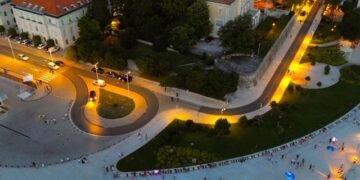
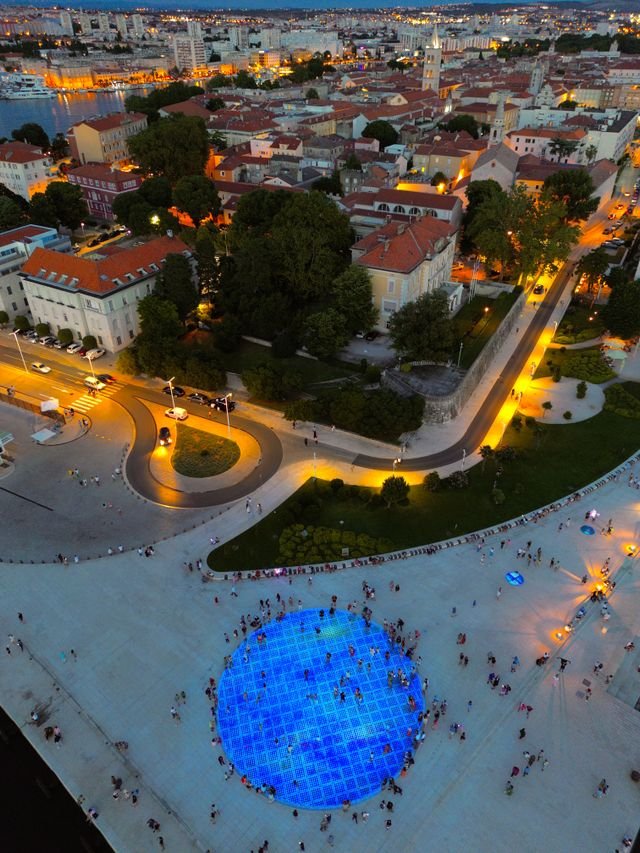
Directly beside the Sea Organ is the Greeting to the Sun. It is a huge circular installation made of solar panels set into the pavement. After sunset, it lights up with a beautiful, ever-changing display of colors.
Every evening, both locals and visitors gather here. It has become an informal community tradition.
Children roller skate. Couples dance. Grandmothers stop and watch.
It may sound a little strange when written down. But once you experience it with everyone around you, it feels completely genuine and deeply moving.
It reminds me of fireworks. You know they shouldn’t make you emotional. Somehow, they still do.
Wandering the Old Town: Where Every Street Has a Secret
The first thing I recommend is putting away your map for at least one afternoon. Zadar’s Old Town is best explored without a plan.
The streets are narrow and paved with smooth marble. Millions of footsteps have polished them over hundreds of years. They become slippery when it rains. So maybe leave your most expensive sandals at the hotel.
We Got Lost in Zadar
The best part of the Old Town is getting lost.
As you wander, you’ll discover the Church of St. Donatus. It is a beautiful Byzantine church built in the ninth century.
You’ll pass tiny konobas tucked into narrow alleyways. Many of them don’t even appear on Google Maps.
You’ll hear church bells ringing in the distance. Outside the cafés, cups clink while people chat over coffee.
Sooner or later, you’ll find yourself completely lost. Thankfully, it’s the best kind of lost.
On my second day, I wandered into a tiny gelato shop by accident. I still think about that gelato more often than meals that cost three times as much.
Sometimes the best travel memories aren’t planned. They simply happen while you’re wandering.
Historic Landmarks You Shouldn’t Miss
If you have extra time, make sure you visit these highlights:
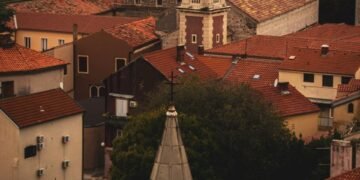
- St. Anastasia’s Cathedral is the largest cathedral in Dalmatia. Climb the bell tower for panoramic views over Zadar’s terracotta rooftops.
- Five Wells Square is a peaceful open space built during the Venetian period. It once supplied water to the city.
- The Land Gate is a beautifully restored Renaissance entrance. It served as the main gateway into the fortified city.
- The UNESCO-listed city walls and forts still surround parts of the Old Town. They remind visitors of Zadar’s remarkable past.
A map showing the city walls and forts can help you plan your walk through the historic center.
Food in Zadar: Prepare to Eat Very, Very Well
Let’s talk about food.
Croatian coastal cuisine deserves far more attention than it gets.
Zadar sits at the crossroads of Mediterranean and Balkan cooking. That combination creates something truly special.
You’ll find incredibly fresh seafood. You’ll also discover hearty Balkan comfort food, including grilled meats, rich stews, and plenty of fried favorites.
We grilled squid and sampled black risotto. Yes, it really is black because it’s made with squid ink. It might look unusual at first, but it’s absolutely delicious.
We also tried pašticada. The beef is slowly cooked in wine until it becomes wonderfully tender.
I swear it tastes like someone’s grandmother spent the entire Sunday preparing it. She probably did.
Local Olive Oil and Wine
One thing I never expected was the olive oil.
Zadar County produces some truly outstanding olive oil. After tasting it fresh with warm bread at a small konoba, the bottled versions back home never quite compare.
It’s a little like the difference between packaged orange juice and a glass of juice squeezed just five minutes ago. They may seem like the same thing, but they really aren’t.
And don’t forget the local wines.
Dalmatia is home to several unique grape varieties that are difficult to find elsewhere. Many small producers serve their wines directly through local wine bars in Zadar’s Old Town.
Practical Stuff: How to Get There and When to Go
Here are a few practical tips to help you plan your Zadar trip.
Getting There
Getting to Zadar is easier than most people expect.
Zadar Airport offers flights to several European destinations, especially during the busy summer season. The city is also an easy drive or bus ride from Zagreb, which takes about three hours. Split is even closer, at roughly one and a half to two hours away.
Zadar is also an important ferry port. Ferries regularly connect the city with Ugljan, Pašman, and the beautiful Kornati Islands. That makes it more than just a stop along the way. It’s an excellent base for exploring Croatia’s islands.
Best Time to Go
In my opinion, the best time to visit is late spring, from May to June, or early fall in September.
The weather is warm enough for sightseeing and even a swim if you’re feeling brave. At the same time, you’ll avoid the heavy crowds and intense heat of July and August. During peak season, the Old Town can feel more like a crowded subway than a peaceful historic peninsula.
I visited in late September. The waterfront was almost empty during the early evening, and it felt incredibly peaceful.
How Much Time Do You Need?
How much time should you spend in Zadar?
Two full days are enough to see the main attractions at a comfortable pace.
I ended up staying four days, and I never regretted it. That extra time gave me the chance to slow down, visit nearby islands, take a day trip to Plitvice Lakes National Park, and simply enjoy being in the city.
Why Zadar Sneaks Up on You
If I had to sum up Zadar in one thought, it would be this: Zadar never tries to impress you. That’s exactly why it does.
Dubrovnik grabs your attention immediately. It’s polished, dramatic, and confident. It’s like the extrovert of the Croatian coast.
Zadar is different. It’s quieter and more reserved. It slowly reveals its charm, and that’s what makes it unforgettable.
One moment, you’re listening to the sound of the Sea Organ. The next, you’re hearing church bells echo through streets that have stood for centuries.
Then you’re enjoying a simple gelato in a hidden alley. Later, you’re taking your first bite of black risotto and wondering why more people don’t talk about it.
Zadar isn’t about rushing from one attraction to another. It isn’t about ticking boxes on a travel checklist. Instead, it’s about slowing down and letting the city reveal itself.
My friend was right when they sent me that short message.
And now I’m doing the same for you, only with many more words.
Don’t skip Zadar.
Give it the time it deserves. Wander without a plan for a few hours. Stay for sunset at the Sea Organ, even if it means changing your schedule.
I truly believe it will become one of the highlights of your trip. It may even outshine destinations that receive far more attention.
Zadar rewards travelers who aren’t in a hurry. It rewards those who are willing to get lost and embrace the unexpected.
Planning a Trip to Croatia?
We’ve also put together guides on the best day trips from Zadar, how to island-hop around the Zadar Archipelago, and where to stay in Zadar’s Old Town.
Helpful Travel Resources
Zadar Airport is located about 8 km from the city center. It offers international connections to many European destinations, making Zadar an easy starting point for exploring the Croatian coast.
The Croatian National also provides useful information about destinations, attractions, activities, and travel planning throughout Croatia.