






















Summer is a popular season for travel because of longer daylight hours, school holidays, and favorable conditions for outdoor activities in many destinations. Travelers can choose from coastal beaches, mountain towns, historic cities, and national parks depending on their interests, budget, and available time. Understanding seasonal weather, local attractions, transportation, and accommodation options helps create a practical travel plan.
This guide explains where to travel in summer, including destinations for beaches, nature, culture, and family holidays. It also covers important planning considerations for international and domestic trips.
Why Summer Is a Popular Travel Season
Summer offers opportunities for sightseeing, swimming, hiking, wildlife observation, and outdoor festivals. In the Northern Hemisphere, June through August generally provides warm weather and extended daylight. However, conditions vary significantly between countries and regions.
Some destinations experience their busiest tourist period during summer. Popular attractions may have higher accommodation prices, crowded transportation, and limited availability. Other locations, particularly mountainous regions and areas in the Southern Hemisphere, may offer cooler conditions during the same months.
When deciding where to travel in summer, travelers should consider the climate, seasonal events, local holidays, and the type of activities they want to enjoy.
Best Summer Destinations for Beach Holidays
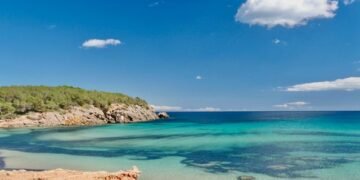
Beach destinations are suitable for travelers interested in swimming, sunbathing, boating, and coastal sightseeing. Many popular beach regions have warm temperatures during summer, although rainfall and humidity can vary.
1. Greek Islands
The Greek Islands are known for their beaches, traditional villages, archaeological sites, and Mediterranean scenery. Islands such as Crete, Rhodes, and Corfu offer different experiences, including historical attractions, coastal walks, and water activities.
Summer is generally dry and warm across much of Greece. Travelers should check ferry schedules before visiting multiple islands because services can vary according to weather and seasonal demand.
2. Croatia
Croatia’s Adriatic coastline includes historic towns, clear-water beaches, and numerous islands. Dubrovnik, Split, and Hvar are among the destinations visited by international travelers.
Summer is a busy period along the coast. Booking accommodation and transportation early can help travelers organize their itineraries, particularly when visiting several coastal cities.
3. Bali, Indonesia
Bali combines beaches, cultural attractions, rice terraces, temples, and outdoor activities. The island’s southern coastal areas are popular for beach holidays, while Ubud is known for cultural experiences and surrounding natural landscapes.
Bali’s dry season generally occurs from April to October, although rainfall can still occur. Visitors should research local customs, transportation options, and seasonal conditions before planning their trip.
Best Summer Destinations for Nature and Adventure
Nature-focused destinations provide opportunities for hiking, photography, wildlife observation, and scenic exploration. Mountainous regions can offer cooler temperatures than nearby lowland areas.
1. Banff National Park, Canada
Banff National Park in Alberta is known for mountain landscapes, alpine lakes, hiking trails, and wildlife habitats. Summer provides access to many roads, trails, and outdoor facilities that may be affected by winter conditions.
Popular locations include Lake Louise, Moraine Lake, and the town of Banff. Travelers should check park regulations, trail conditions, and transportation arrangements before visiting. Some popular sites require advance reservations or shuttle access.
2. Switzerland
Switzerland offers mountain scenery, lakes, hiking routes, and scenic rail journeys. Summer is suitable for exploring destinations such as Interlaken, Lucerne, Zermatt, and the Jungfrau region.
Mountain weather can change quickly, even during warm months. Travelers should check forecasts, use appropriate footwear, and confirm the operating schedules of cable cars and mountain railways.
3. New Zealand
New Zealand experiences winter during June, July, and August. Travelers visiting during this period can find snow-related activities in the South Island, including Queenstown and the Southern Alps.
Summer in New Zealand occurs from December through February. This season is suitable for hiking, road trips, and exploring national parks. The country’s changing seasons make it important to identify the destination’s local weather before booking flights.
Summer Destinations for Culture and History
Cultural destinations provide access to museums, historic buildings, traditional markets, and local festivals. These trips can combine sightseeing with educational experiences.
1. Rome, Italy
Rome contains important archaeological and historical sites, including the Colosseum, Roman Forum, and Pantheon. The city also offers museums, public squares, restaurants, and architectural landmarks.
Summer temperatures can be high, especially in July and August. Travelers can schedule outdoor sightseeing during the morning or evening and visit indoor museums during the hottest part of the day.
2. Kyoto, Japan
Kyoto is known for temples, gardens, traditional architecture, and cultural attractions. Summer brings warm temperatures and seasonal events, including traditional festivals.
The rainy season often affects Kyoto during June and early July, while later summer can be hot and humid. Travelers should check weather forecasts and plan activities according to local conditions.
3. Istanbul, Türkiye
Istanbul connects European and Asian cultural influences through its architecture, markets, museums, and waterfront neighborhoods. Major attractions include Hagia Sophia, the Blue Mosque, and the Grand Bazaar.
Summer is generally warm, making it suitable for sightseeing and Bosphorus cruises. Travelers should allow time for traffic and crowds when planning visits to major attractions.
Summer Destinations for Families
Family travel often requires destinations with accessible transportation, varied activities, and suitable accommodation. National parks, coastal resorts, and cities with educational attractions can accommodate different age groups.
Orlando, Florida, is known for theme parks, water parks, and family entertainment. Singapore offers museums, gardens, public transportation, and attractions for children. Copenhagen provides cultural attractions, parks, and family-friendly urban spaces.
Families should check attraction age requirements, ticket policies, walking distances, and local weather before finalizing their itineraries.
Comparing Popular Summer Destinations
The following table provides a general comparison of destinations frequently considered for summer travel. Climate descriptions refer broadly to June through August in the Northern Hemisphere, while New Zealand’s seasonal information reflects its Southern Hemisphere location.
| Destination | Main Attractions | Typical Summer Conditions | Suitable Activities |
| Greek Islands | Beaches, villages, historic sites | Warm and generally dry | Swimming, sightseeing |
| Croatia | Adriatic coast, old towns | Warm, busy coastal season | Boating, cultural tours |
| Banff, Canada | Mountains, lakes, trails | Mild to warm in valleys | Hiking, photography |
| Switzerland | Alps, lakes, rail journeys | Mild in lowlands, cooler in mountains | Hiking, scenic travel |
| Rome, Italy | Ancient ruins, museums | Hot and generally dry | Historical sightseeing |
| Kyoto, Japan | Temples, gardens, festivals | Warm, humid, seasonal rain | Cultural exploration |
| Bali, Indonesia | Beaches, temples, rice terraces | Generally dry, with local variation | Beach activities, tours |
| New Zealand | Mountains, national parks | Winter during June–August | Skiing, winter activities |
How to Choose Where to Travel in Summer
Selecting a destination depends on several practical factors.
Weather
Weather affects comfort, transportation, and outdoor activities. Travelers should check average temperatures, rainfall, humidity, and extreme-weather risks. A beach destination may not be suitable during its rainy season, while a mountain destination may have limited trail access.
Budget
Accommodation, flights, meals, transportation, and entrance fees contribute to total travel costs. Summer demand can increase prices in popular destinations. Comparing travel dates and booking essential services early may help manage expenses.
Travel Duration
Short trips are often easier to organize in cities with efficient public transportation. Longer holidays may allow travelers to explore multiple regions or combine beaches with cultural attractions.
Travel Documents
International travelers should verify passport validity, visa requirements, travel insurance conditions, and entry regulations. Requirements differ by nationality and destination, so official government sources should be consulted before departure.
Local Events
Summer festivals, concerts, and cultural events can add variety to a trip. However, major events may increase accommodation demand and affect transportation. Travelers should check event dates and booking requirements.
Practical Tips for Summer Travel
When planning where to travel in summer, prepare for the destination’s specific climate and tourism conditions. Lightweight clothing is useful in warm regions, while mountain destinations may require layers and rain protection.
Carry sunscreen, sunglasses, comfortable footwear, and sufficient drinking water for outdoor activities. Travelers should also maintain digital and physical copies of important documents.
Public transportation is often convenient in major cities, but rural areas may require rental cars, regional buses, or organized tours. Researching transportation before arrival can reduce delays.
Travelers should respect local customs, environmental regulations, and wildlife guidelines. In national parks, staying on marked trails and following safety instructions helps protect both visitors and natural habitats.
Sustainable Summer Travel
Responsible travel can reduce environmental pressure and support local communities. Travelers can choose public transportation where practical, avoid single-use plastics, and stay in accommodation that follows recognized sustainability practices.
Buying products from local businesses and selecting locally operated tours can contribute to the destination’s economy. Visitors should avoid disturbing wildlife, damaging natural sites, or removing cultural artifacts.
Sustainable travel also includes managing water and energy use, particularly in destinations experiencing drought or high tourist demand.
Conclusion
Choosing where to travel in summer requires consideration of weather, attractions, budget, transportation, and personal interests. Beach destinations such as the Greek Islands and Croatia provide coastal experiences, while Banff and Switzerland offer mountain scenery. Rome, Kyoto, and Istanbul provide opportunities to explore history and culture.
By researching seasonal conditions, planning transportation, and preparing appropriate travel documents, visitors can organize a holiday that matches their needs. A well-planned summer trip combines enjoyable activities with practical arrangements and respect for the destination.
Frequently Asked Questions
1. What are popular summer travel destinations?
Popular destinations include the Greek Islands, Croatia, Switzerland, Banff National Park, Rome, Kyoto, and Bali. The most suitable choice depends on the traveler’s interests, budget, and preferred climate.
2. Is summer a good time to visit mountain destinations?
Yes. Many mountain destinations offer hiking, scenic views, and outdoor activities during summer. However, high-altitude weather can change quickly, so travelers should check trail conditions and local forecasts.
3. How can travelers save money during summer?
Travelers can compare flight dates, book accommodation early, use public transportation, and consider destinations with lower seasonal demand. Traveling during shoulder-season dates may also reduce costs.
4. What should families consider when planning summer travel?
Families should consider accommodation, transportation, attraction accessibility, weather, food options, and activities suitable for different ages. Advance reservations may be useful for popular attractions.
5. Are international travel documents important for summer holidays?
Yes. Passport validity, visa requirements, travel insurance, and entry regulations should be checked before departure. Requirements vary by destination and nationality.