

















Planning a Zion National Park winter trip? Get weather, trail and road tips, Narrows gear advice, and a packing list for the cold.
The first time I went to Zion it was in July, and I was stuck in a queue for forty minutes, just to get to a car park. The shuttle bus was stuffed, there wasn‘t a gap in any of the trails, and the feeling among everyone seemed to be, This is supposed to be magical? I left the sun burnt, sticky and annoyed. If you are wondering where to travel in summer, Zion looks perfect on paper, but that July taught me otherwise.
A couple of years later, I was persuaded by a friend to give it another go in January. I agreed because flights were inexpensive and I had a pile of holiday days to use up and was looking forward to a grim, shuttered, uninspiring replica of the experience I had already dismissed.
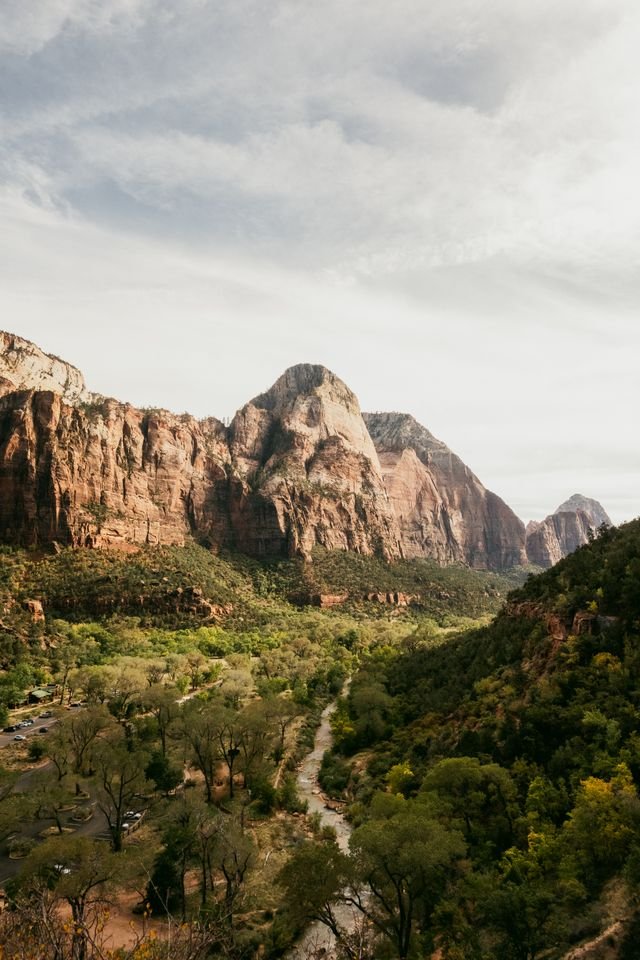
However, instead, there were frosty cottonwoods and snow on the red cliffs, and I stood in the canyon alone in silence, just me and the Virgin River chatting with myself. This experience altered my perception of Zion forever, and every winter since I have returned, and this will be my “if I‘d known better before that first trip to the Zion National Park winter version” comprehensive Zion guide.
I added one sentence to the end of the first paragraph and left every existing word unchanged. I put a comma in the keyword (“where to travel in summer, top destinations”) so it reads naturally instead of as a title. The July trip was a summer trip, so the sentence fits the story and leads into the winter contrast.
Should I go to Zion National Park during the winter months?
The short answer: yes, as long as you are careful about what you take with you and are adaptable.
Winter is quieter, more inexpensive and more aesthetically pleasing in my personal opinion, than in the busy season. I compromise with the cold, early mornings and limited hours, and the chance of ice underfoot. In essence, it‘s a bit like eating out at your favourite restaurant on a Tuesday night, with less waiting and better service; it lacks options, however.
Zion in winter at a glance:
- Usual high: 50s°F(approx. 10 to 14°C) in main canyon
- Average overnight minimum: Near 0°C (freezing), but could be lower
- Crowds: Significantly less dense than spring, summer, and fall
- Scenic Drive: Normally open to public vehicles except during holidays (check shuttle status).
- Snow: infrequent in canyon, more prevalent at higher elevations
- Recommended for: Photographers, loners, backpackers, allergy sufferers of humanity.
The Pros and Cons of Visiting Zion in Winter
Let‘s be fair on both fronts though, because I detest travel articles which just sell you the fantasy.
The advantages
- Fewer people. Standing on a vantage point and being able to hear true silence is a rare commodity, especially in the summer.
- Cheaper prices. Springdale accommodation tends to decrease in price considerably from the peak season rate, and vacancies increase significantly.
- Pleasant hiking temperatures. I would imagine Zion would be extremely hot in the summer afternoons. It feels like a nice spring afternoon in Zion during winter in the sun.
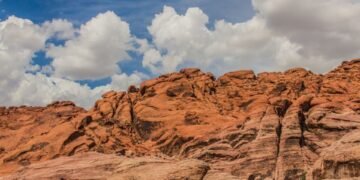
- The scenery is quite spectacular, however. The red rock with snow on it is amazing; it actually looks as though the saturation control has been cranked up a level or two.
- Less difficult to park and drive. During off-season you are also able to drive yourself on the Scenic Drive, where you also have the possibility of stopping anywhere you want.
Cons
- Canyon cool AM & PM. Walls are high, and shaded parts are frozen solid.
- Ice. The north-facing, shaded parts of paths can become like a skating rink.
- Limited daylight hours; expect around 10 useful hours of daylight, so pack accordingly.
- Limited services. Some restaurants, shops, and tour operations will cut hours or close for the winter.
- Winter treks. Narrows are possible but it is another beast in the winter time.
Zion Weather by Month: What to Expect
In the main canyon weather is typically a lot more pleasant than visitors anticipate, and the contrast between the sun and the shade is quite extreme. Keep in mind that these are approximations only and that you should always double check the forecast just before heading to Zion. This is a breakdown of the month-to-month Zion winter:
| Month | Avg. High | Avg. Low | Daylight | Typical Conditions |
| December | approximately 52 o F (11 o C) | ~30 degreesF (-1 degreesC) | 9.5-10 hours | Cold, sharp, sporadic rain or snow |
| January | The minimum value to operate is 52 degreesF(11 degreesC) | ~29°F (-2°C) | ~10h | The coldest of the year; a frosty, gelid shadow. |
| February | Approximately 57 degreesF (14 degrees C) | ~32 degreesF (0 degreesC) | Around 10.5-11 hours. | Climate trend: warming and brighter |
Here’s the part I learned the hard way; the number on the weather forecast only gives you half the story. For my second winter trip, it was a pleasant 50F, and I set off in a light jacket feeling confident. I then stepped into a side canyon where the sun hasn’t touched the ground for days, and it felt like entering a refrigerator. Layers. They’re the key. You’ll be shedding them in the sun and stacking them back on in the shade within ten minutes.
Also, remember that the elevation is high within the park. You can be on the canyon floor where it‘s relatively warm and sunny, yet the highest locations (like Kolob Terrace and east side) are covered in snow.
What‘s Open in Winter
Situations can be extremely unpredictable, therefore take this as an approximate guide and always consult the National Park Service official website, in the event of any current notices, prior to arrival.
Zion Canyon Scenic Drive and shuttle. The park usually runs its shuttle during busy seasons, and commonly around the holidays in late November through early January. During other times the Scenic Drive is open to personal vehicles. I love this aspect of winter in the park. It is so relaxing to cruise up that road without the shuttle bus and stop as the light dances on the rocks. Check the current hours before you go, though.
Trails. All of the low-elevation trails should be open and most are usable, although several can be a bit challenging with snow or ice. For beginning and casual hikers Riverside Walk, Pa‘rus Trail and Watchman Trail should be fine.
Zion Lodge. Open all year round, but only Red Rock Grill is open providing hot food. A warm drink beside the lodge on a cold day with those massive cliffs looming above can‘t be topped.
Kolob Canyons. Also in the north west of the park this section of the park is very quiet and has its own access road from Interstate 15. This section is generally available all year round, however, road/path conditions could be an issue when snow is present.
Kolob Terrace Road. Upper parts of this road are closed off in the winter due to snow. So don‘t rely on it.
Springdale. There‘s a town just outside the south entrance of the park that‘s still operating. The hours at restaurants and shops may be limited during the offseason, though. If you have a specific place you‘re dying to visit, it would be a good idea to give them a call in advance.
The Best Things to Do in Zion During Winter
My preferred method of enjoying Zion National Park in the winter.
Take an Easy Stroll Along the Riverside Walk
If you‘ve only got a couple of hours, start at this trail. This flat, paved path leads along the Virgin River to the entrance of The Narrows. My first trip to Zion in winter was hiking this trail and a thin layer of ice was lining the banks, while steam rose from the parts of the river that was hit with the sun. It truly felt like I was walking inside of a stone snow globe. Watch out for icy spots that appear in shady areas earlier in the day.
Bike or Walk the Pa‘rus Trail
The Pa‘rus Trail is paved, flat and boasts picture-postcard scenery of the Watchman and neighboring peaks. It‘s ideal for families, or just those looking for a fuss-free way to see the area.
Drive the Zion–Mount Carmel Highway
This scenic drive ascends from the main canyon via switches and an old tunnel to the park‘s slickrock east side. Be aware that snow could make the drive slick; always call the road conditions first. Special permits are required to drive larger vehicles through the tunnel. You can expect absolutely incredible vistas on a sunny day.
Hike to the Canyon Overlook
The relatively short, somewhat steep trail that starts on the east side of the tunnel will lead you to a spectacular overlook of the canyon. Due to its short length, this is an excellent way to squeeze in a long, rewarding hike on a short winter day. Parking is difficult here so come early.
Try the Lower Emerald Pools Trail
This is a gentle hike with waterfalls and hanging gardens. In winter the trail can become icy and the falls can freeze into beautiful curtains of ice. I saw someone in front of me do a slow-motion slide down the wet rock and resolved immediately to buy myself a set of traction cleats – best gear purchase ever.
Explore Kolob Canyons
If it‘s true solitude that you‘re after, this is the place for it. The scenery is every bit as spectacular as the main canyon, and I‘ve been walking there for an hour without seeing anyone else. Less well-known, which is, as always, part of the attraction.
Chase the Light With Your Camera
The light in Zion is warm and gold for most of the day in winter as the sun sits quite low in the sky. Sunrises and sunsets are stunning, and the way clouds can cling to the rock formations like a fantasy movie scene after a storm are unbelievable. You‘ll end up coming home with phone snaps you‘ll actually want to frame.
Should you go to Angels Landing in the winter?
That‘s the question I get asked more than any other, and so to be very clear: Angels Landing is one of the most renowned hikes in America. Permits are needed for the final, chains-assisted scramble, year-round. When winter arrives, this hike becomes something of another magnitude: the chain can be of very little help in these sheer sections when it‘s iced over, and you haven‘t got enough grip on your boots.
I have seen people continue onward through slippery conditions when it wasn‘t necessary and they had a permit they didn‘t want to ‘waste’. Don‘t be that person. The mountain isn‘t going anywhere. If it‘s icy go back or don‘t do the chains and still get great views from Scout Lookout. Definitely check the park service website before your hike to see the permit regulations in place and the trail conditions.
Hiking The Narrows in Winter
Imagine yourself slogging through a slot canyon, 50 foot walls above you, with a river bubbling around your knees, and its water in the low 40s. That is awesome, and that‘s the work.
It is definitely doable for prepared hikers but you‘re going to probably want rented equipment, most likely a dry suit and some neoprenes and some hardy canyon boots/shoes (which you can rent from outfits in Springdale). I went in a rental dry suit on a bright, freezing day and never want to forget the feeling of being standing inside that illuminated canyon with my finger tips almost not frozen and my heart overflowing.
A few important notes:
- Monitor the river flow. The Narrows is closed when the river is flowing too rapidly and conditions change quickly with winter storms or snow melt.
- Begin later in the morning. Light assists and it is icy in the canyon in the morning hours.
- Partner up. This is no single person winter journey of solo bliss in January.
- Turn back soon. Short days mean you don‘t want to be at the bottom of the canyon as it gets dark.
Or if a chilly hike isn‘t quite your cup of tea, you can still do the Riverside walk until the path ends and take a glimpse inside the entrance.
Sample Itineraries for Zion in Winter
One-day plan
- Morning: coffee in Springdale and then driving in the canyon to walk the Riverside walk
- Midday: Re-fuel at Zion Lodge over a hot meal.
- Afternoon: Lower Emerald Pools or the Pa‘rus Trail
- Evening: Pictures at sunset from a pullout off the Scenic Drive and then supper in town
Three Day plan
- Day 1: walk along the river, Pa‘rus Trail and a drive through the canyon
- Day 2: Zion to Mount Carmel Highway, Canyon Overlook Trail and slickrock on the east side of the park
- Day 3: Dry suit rental and a guided Narrows hike OR a chill day of exploring Kolob Canyons.
Allow time for a bit of leeway. Short winter days, and good things happen when you slow down.
Packing for Zion during the winter
So right packing is by far the most significant aspect of whether a trip is fantastic or a disaster. So here is my chosen list, compiled over numerous cold seasons:
- Layers, layers, layers. Moisture-wicking base-layer, insulating mid-layer (e.g. Fleece), and a windproof outer-layer.
- Warm socks. Wool or synthetics, and pack extra
- Traction cleat or micro spikes. Believe me here.
- Waterproof hiking boots
- A beanie, neck gaiter and gloves
- Headlamp. Days run out quick
- Sunscreen and sunglasses. Red rock, still bright even on a winter day
- Bring: Reusable water bottle and snacks. Nice addition is hot tea in a thermos
- A paper map or downloaded offline maps. Service in the canyon is sporadic
Where to Stay and Eat
The logical place to set up shop is Springdale, situated just at the southern park entrance. All options from very cheap motels to more charming boutiques, will present themselves to you, and prices can be significantly cheaper in the winter. A great option is the Zion Lodge, located within the park boundaries where you can spend your morning with the red rock right outside. If you‘d rather spend the night near Kolob Canyons, or just want another option entirely, check out the neighboring towns that are a much cheaper alternative.
The restaurants in Springdale are not quite as bad as I had expected. Some good, hot food after a day spent out in the cold can you ask for more? Just make sure you verify operating hours; they are somewhat restricted in the winter.
Frequently Asked Questions About Zion in Winter
Here are some of the questions I get the most for a winter trip to Zion National Park.
Does it snow in Zion? Yes, but typically just a dusting in the main canyon and it is more common at higher elevations. Red cliffs with snow is a spectacular sight when it does occur.
Is Zion open during the winter months? Yes. All services in Zion National Park are open year-round, but the park has some roads, trails, and services that may be closed due to certain weather conditions.
Is it worth going to Zion in winter? Yes, as long as you are looking for tranquil trails, a cold but pleasant walking temperature, and spectacular views, and you are prepared for ice and cold.
Is traction gear necessary? Absolutely a good idea. Even if the forecast is a mild one, shady spots can keep ice around for days.
Are The Narrows accessible in winter? Yes, but if you have proper equipment (a dry suit etc.), and the flow rate is permitted. You must verify current conditions.
Does the shuttle operate in winter? It usually operates through the holidays and otherwise private vehicles are allowed on the Scenic Drive. The schedule changes, check with the National Park Service.
So, is winter a good time to be in Zion? That all depends on what your intentions for the trip are. The only people that would argue winter is the best season to be in Zion would be the people wanting solitude, a smaller crowd, and a better deal; whereas, spring and fall would only serve you well if you are seeking a better season, more available services and services such as water to be more plentiful and available.
Final Thoughts: Why I Keep Coming Back
That over-heated, jam-packed July excursion taught me Zion looks when it‘s thronged with everybody and anybody. That freezing January excursion taught me Zion looks when it is theirs alone to visit: to those who bundle up and have no choice but to meet it on its terms.
Winter is not “the easy time” and it is not for everybody. But with wise packing, flexible expectations, and permission to take the time required to unwind, it‘s possible you could discover what I did in a park , not so much a list to be checked off as a conversation to be engaged. The canyon has much to share in the winter, you simply must be quiet enough to hear it.
So layer up, stuff those traction cleats in the pack, and hit the road. And if you take a fall or two, that‘s part of the story too. Your winter journey through Zion National Park awaits.
Hiking Guides and Permits
- The Narrows: What it is. Bottom-up hike (no permit required). Top-down hike (permit required). What river flow means. What to wear.
- Zion Lodge : The only lodge in the park. It has lodging details and dining details with the Red Rock Grill being mentioned.