






















Discover how Food whitening relates to travel, food safety, and healthy dining with practical tips, benefits, and FAQs for travelers.
Food Whitening for Travel: Smart Tips for Safe Eating
Traveling introduces you to exciting cuisines, local delicacies, and unforgettable dining experiences. Whether you’re exploring street food markets in Asia, enjoying gourmet meals in Europe, or tasting tropical fruits in the Caribbean, food is an essential part of every journey. One topic that travelers may encounter is Food whitening. Understanding what it means, where it is used, and how it affects food quality can help you make informed decisions while traveling.
Many processed foods, baked goods, dairy products, and confectionery items use whitening techniques or approved food-grade whitening agents to improve appearance. While these products are generally regulated by food safety authorities, travelers should still understand what they are consuming, especially when visiting countries with different food regulations.
This guide explains everything you need to know about food whitening, its role in travel, and how to enjoy food safely wherever you go.
What Is Food Whitening?
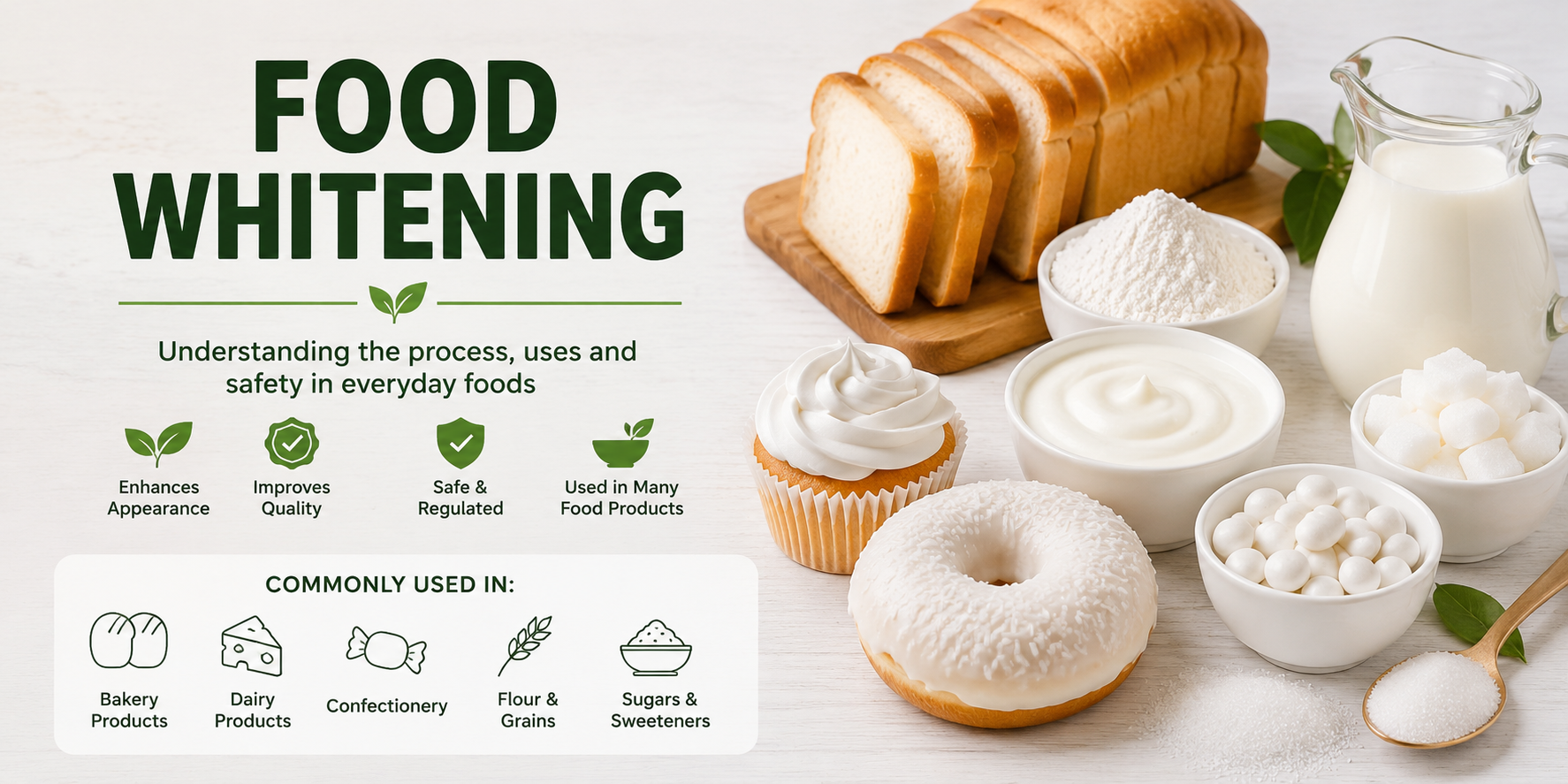
Food whitening refers to the process of making certain food products appear whiter, brighter, or more visually appealing. Manufacturers may use approved food-grade ingredients or processing techniques to enhance the color of products such as:
- Bread
- Flour
- Rice products
- Dairy products
- Sugar
- Confectionery
- Cake decorations
- Sauces
The primary purpose of Food whitening is cosmetic rather than nutritional. Consumers often associate brighter foods with freshness and quality, making appearance an important part of food marketing.
Why Travelers Should Know About Food Whitening
When traveling internationally, you may notice differences in the appearance of common foods. Local regulations determine which whitening agents are permitted, and some countries have stricter food standards than others.
Understanding Food whitening helps travelers:
- Make informed food choices
- Read ingredient labels
- Avoid unnecessary additives if preferred
- Understand regional food production methods
- Appreciate cultural differences in food preparation
Knowledge allows you to enjoy local cuisine with greater confidence.
Common Foods That May Use Food Whitening
The following table highlights foods that may undergo whitening treatments.
| Food Category | Purpose of Whitening | Common Travel Example |
| Flour | Improve appearance | Bakery products |
| Bread | Uniform white color | Sandwich bread |
| Sugar | Bright white crystals | Desserts |
| Dairy | Consistent appearance | Cheese and yogurt |
| Rice Flour | Smooth texture | Asian desserts |
| Cake Decorations | Decorative appearance | Bakery treats |
| Frosting | Bright white finish | Cakes and cupcakes |
| Confectionery | Attractive color | Candies |
Food Whitening Around the World
Different countries regulate food additives differently.
Europe
European food regulations are among the strictest globally. Only approved whitening agents are allowed after extensive safety reviews.
North America
The United States and Canada permit certain whitening ingredients that have been evaluated by food safety authorities.
Asia
Many Asian countries follow international food safety standards while also maintaining local regulations. Travelers may encounter traditional foods with naturally white ingredients rather than processed whitening.
Australia and New Zealand
Food Standards Australia New Zealand (FSANZ) carefully regulates food additives used in commercial products.
Benefits of Food Whitening
Although appearance is the main goal, food whitening offers several practical benefits.
Improved Product Appearance
Consumers often prefer foods with a clean, bright appearance.
Consistent Quality
Manufacturers can produce products with a uniform color across batches.
Better Consumer Appeal
Restaurants, bakeries, and supermarkets benefit from visually attractive products.
Enhanced Presentation
Presentation plays an important role in tourism and hospitality. Beautifully presented food often improves the overall dining experience.
Are Food Whitening Ingredients Safe?
Approved whitening agents are generally considered safe when used within regulated limits established by food safety authorities. Government agencies evaluate scientific evidence before approving additives for commercial use.
However, travelers with food allergies or sensitivities should always:
- Read ingredient labels.
- Ask restaurants about ingredients.
- Choose minimally processed foods if uncertain.
- Purchase food from reputable establishments.
These simple habits reduce the risk of consuming ingredients you may wish to avoid.
Travel Tips for Choosing Safe Foods
Traveling doesn’t mean avoiding processed foods altogether. Instead, follow these practical tips.
Buy From Trusted Vendors
Busy restaurants and reputable grocery stores usually maintain better food safety practices.
Check Packaging
Packaged foods often list ingredients clearly, helping you identify products that use Food whitening.
Explore Local Cuisine
Fresh regional dishes often contain fewer processed ingredients and offer authentic flavors.
Stay Hydrated
Proper hydration supports digestion when trying unfamiliar foods during travel.
Practice Food Safety
Wash your hands before meals and avoid foods that appear improperly stored.
Natural Alternatives to Food Whitening
Many traditional cuisines rely on naturally white ingredients rather than artificial processing.
Examples include:
- Coconut milk
- Rice flour
- Fresh cream
- Yogurt
- Cauliflower
- White sesame paste
- Tofu
These ingredients create naturally appealing dishes without extensive processing.
Sustainable Food Choices While Traveling
Modern travelers increasingly seek sustainable dining experiences.
Choosing locally sourced foods offers several advantages:
- Supports local farmers
- Reduces transportation emissions
- Provides fresher meals
- Encourages authentic cultural experiences
- Promotes regional food traditions
Many eco-friendly restaurants emphasize natural ingredients instead of relying heavily on cosmetic food enhancements.
Should Travelers Worry About Food Whitening?
For most travelers, food whitening is not a major concern when consuming food from reputable sources. International food safety agencies monitor approved additives, and responsible manufacturers follow regulatory guidelines.
The bigger concern during travel remains general food hygiene rather than cosmetic ingredients.
Focus on:
- Freshly prepared meals
- Properly cooked food
- Clean drinking water
- Trusted restaurants
- Safe food storage
These factors have a greater impact on travel health than the whitening process itself.
Conclusion
Understanding Food whitening helps travelers become more informed consumers while exploring global cuisines. Although whitening techniques mainly improve appearance, they are generally regulated and considered safe when used according to food safety standards.
Whether you’re enjoying pastries in France, desserts in Japan, or bakery products in North America, knowing how foods are prepared can enhance your travel experience. The best approach is to eat from reputable establishments, read labels when possible, and embrace local foods made with fresh, natural ingredients.
By balancing curiosity with smart food choices, every journey becomes both delicious and safe.
Frequently Asked Questions
1. What is Food whitening?
Food whitening is the process of improving the white appearance of certain foods using approved ingredients or processing methods.
2. Is Food whitening safe for travelers?
Yes. Approved whitening methods are generally considered safe when they comply with local food safety regulations.
3. Which foods commonly use Food whitening?
Flour, bread, sugar, dairy products, cake decorations, confectionery, and some processed foods may use whitening techniques.
4. Should I avoid foods with whitening ingredients while traveling?
Not necessarily. Buying food from reputable restaurants and trusted brands is usually sufficient for safe consumption.
5. Are there natural alternatives to food whitening?
Yes. Foods such as coconut milk, rice flour, yogurt, tofu, and fresh cream naturally provide a white appearance without extensive processing.